Containerization
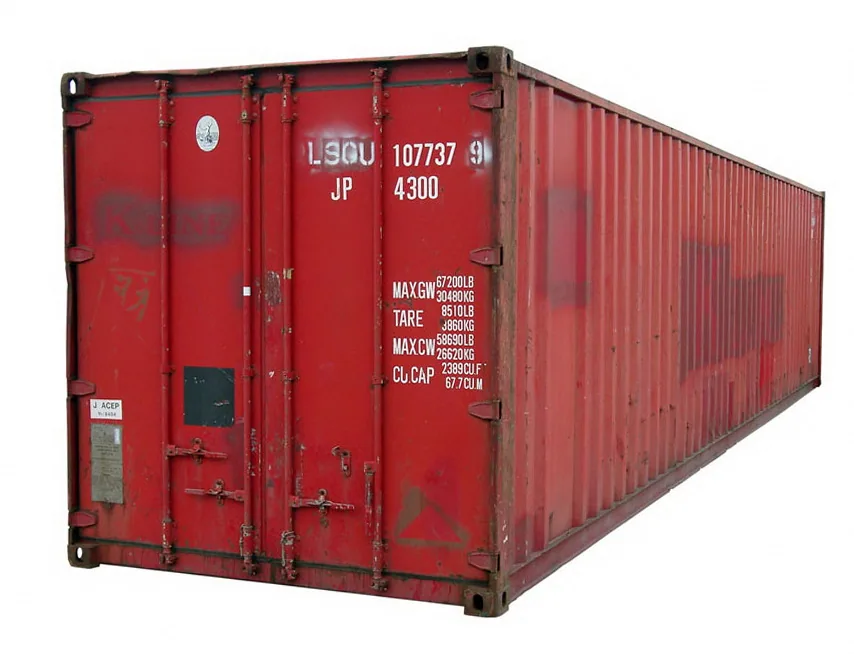
Containerization is a system of intermodal freight transport in which goods are sealed inside standardized containers that can be moved by container ship, rail flatcar and semi-trailer truck without being opened at each transfer point. All handling is mechanized through cranes and specialized forklift trucks, and every container is numbered and tracked through computerized systems. The containers themselves can be manufactured from steel, aluminium, fibre-reinforced polymer or combinations of those materials, with weathering-steel variants used to minimize maintenance.
Although containerization has roots stretching back to late-eighteenth-century English coal transport, it was not widely adopted until after World War II, when it dramatically cut transport costs, supported the post-war expansion of international trade, and became a central mechanism of globalization.
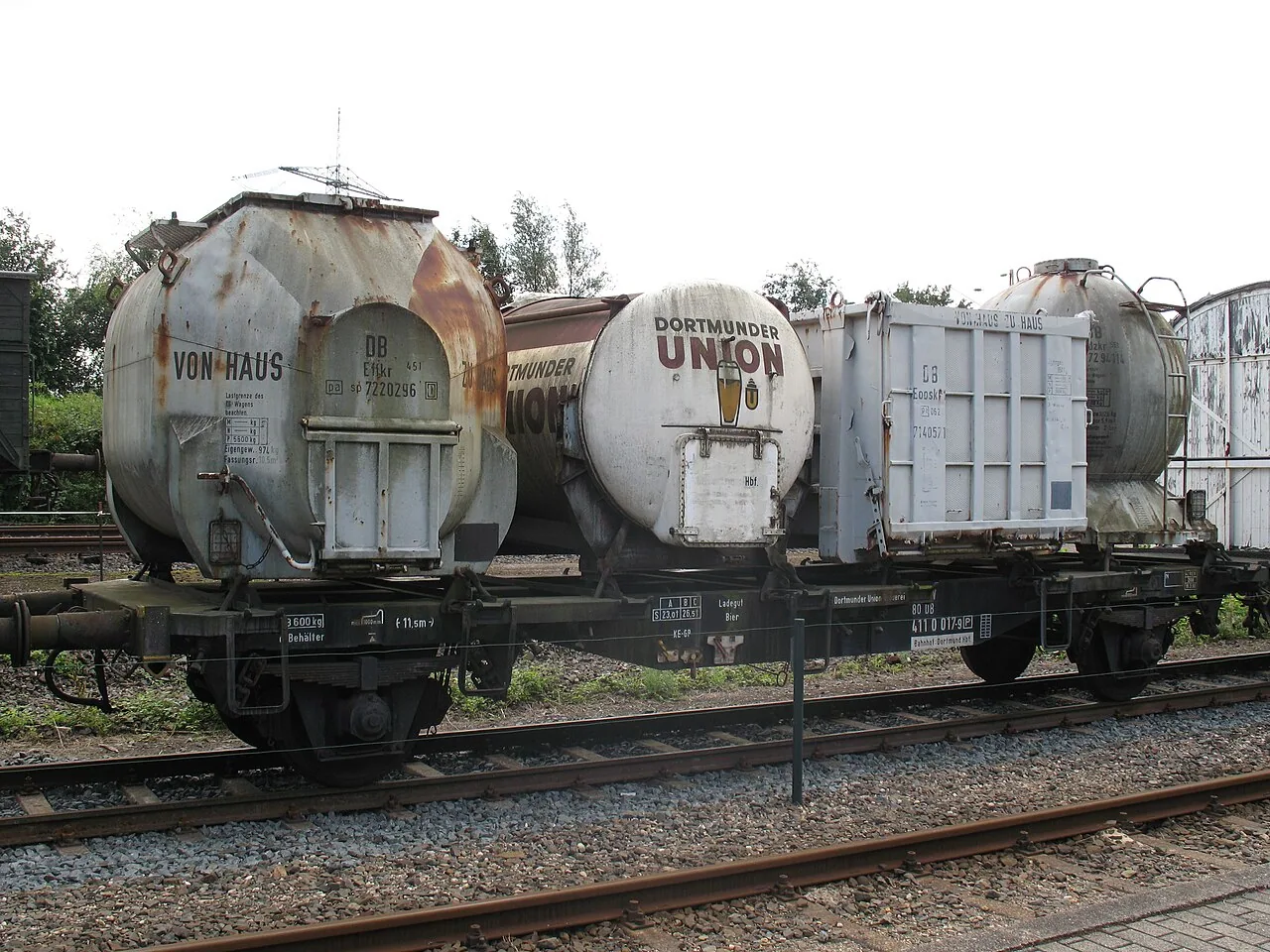
| System type | Intermodal freight transport using standardized containers |
| Also known as | Container stuffing; container loading |
| Container dimensions | Standardized (dimensions not specified in source) |
| Handling method | Fully mechanized — cranes and specialized forklift trucks |
| Tracking method | Computerized numbering and tracking systems |
| Materials | Steel, aluminium, fibre-reinforced polymer, or combinations; weathering steel for low maintenance |
| First recorded container boat | 1766 — James Brindley's 'starvationer' box boat, Bridgewater Canal, England |
| First purpose-built container ship | February 1931 — Autocarrier, owned by Southern Railway UK, 21 container slots |
| Dominant status | Predominant form of unitization of export cargoes worldwide |
What containerization replaced: break bulk cargo handling
Before containerization, almost all general goods moved as break bulk cargo, handled manually at every stage of a journey. A typical shipment would leave a factory by vehicle, arrive at a port warehouse, be offloaded and stored, then be physically carried or lowered into a ship's hold by dock workers once a vessel arrived. If the ship called at multiple ports before reaching the consignment's destination, each stop added further delay and additional handling.
This repeated manual sorting meant transport was expensive, slow and unreliable. Goods were exposed to damage and theft at each transfer. Containerization eliminated the need for dockfront warehouses and manual sorting of most shipments, reduced congestion in ports, shortened shipping times significantly and cut losses from both damage and theft. It also displaced large numbers of dock workers who had previously handled break bulk cargo.
How did containerization begin in the eighteenth century?
The practice of moving goods in discrete, transferable boxes originated in English coal-mining regions in the late eighteenth century. In 1766, engineer James Brindley designed a vessel known as the 'starvationer' — a box boat fitted with ten wooden containers — specifically to carry coal from Worsley Delph quarry to Manchester along the Bridgewater Canal. These containers represent the earliest recorded example of purpose-designed transferable freight units.
In 1795, Benjamin Outram opened the Little Eaton Gangway in England, where horse-drawn wheeled wagons built at his Butterley Ironwork functioned as containers. These wagons, loaded with coal, could be transshipped directly between the gangway and canal barges on the Derby Canal, a waterway Outram had also promoted. Known as 'loose boxes', similar wooden containers were used to move coal on and off barges from the late 1780s at locations including the Bridgewater Canal.
Rail adoption in the nineteenth century
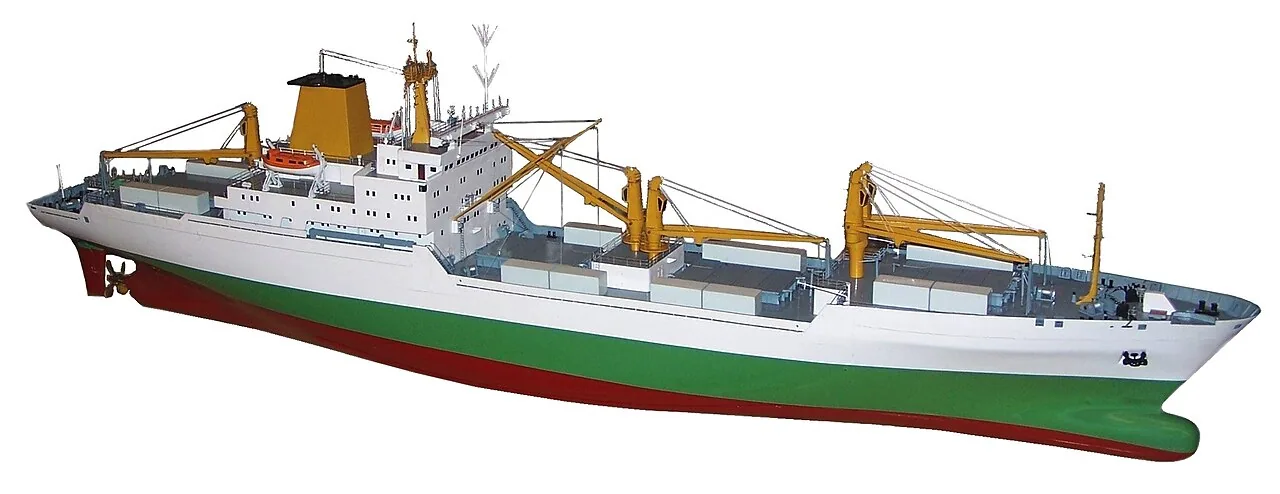
By the 1830s, British railways were already experimenting with containers transferable between transport modes. The Liverpool and Manchester Railway used simple rectangular timber boxes to move coal from Lancashire collieries to Liverpool, where a crane lifted them onto horse-drawn carriages. This represented an early integration of rail and road handling through a common transferable unit.
Iron containers appeared alongside wooden ones by the 1840s, broadening the range of materials in use. By the early 1900s the concept had evolved to include closed container boxes specifically designed to move between road and rail — a configuration that foreshadowed the intermodal systems of the twentieth century.
Early twentieth-century development: Who were the key figures and operators?
On 17 May 1917, Benjamin Franklin Fitch, a Louisville, Kentucky native born in 1877, launched commercial use of what he called 'demountable bodies' in Cincinnati, Ohio. Designed by Fitch as transferable containers, the system expanded by 1919 to cover more than 200 containers serving 21 railway stations with 14 freight trucks. That same year the U.S. Post Office contracted with the New York Central Railroad to move mail using containers, a contract formalized in May 1921.
Also in 1919, Polish engineer Stanisław Rodowicz drafted the first formal container system proposal in Poland, and in 1920 constructed a prototype biaxial wagon for the purpose. Development was halted by the Polish-Bolshevik War before the system could be implemented more broadly.
In 1926, the Southern Railway in the United Kingdom and the French Northern Railway jointly introduced a container-based baggage service on the Golden Arrow luxury passenger train running between London and Paris. Four containers were loaded in either London or Paris and transported to the Channel ports of Dover or Calais on flat rail cars — designated flat cars in the United Kingdom and CIWL Pullman Golden Arrow Fourgons in France.
Expansion in the late 1920s and early 1930s
Beginning in March 1928, the Pennsylvania Railroad introduced an extensive container service network linking New York, Philadelphia, Baltimore, South Kearney in New Jersey, Buffalo, Cleveland and Pittsburgh. That same September, at the Second World Motor Transport Congress held in Rome, Italian senator Silvio Crespi proposed the broader adoption of containers across road and rail systems, advocating cooperative rather than competitive use under the oversight of an international body comparable to the Sleeping Car Company, which coordinated international passenger sleeping-car services.
In 1930, the Chicago and Northwestern Railroad initiated container shipments between Chicago and Milwaukee, but the initiative ended in the spring of 1931 when the Interstate Commerce Commission ruled against the use of a flat rate for containers. Despite this setback, February 1931 saw the launch of the first purpose-built container ship: the Autocarrier, owned by Southern Railway UK, which was fitted with 21 container slots.
The impact of the Wall Street Crash and Great Depression
The Wall Street Crash of 1929 and the subsequent Great Depression left many countries without reliable means of moving cargo commercially. Railroads emerged as a practical option for freight transport during this period, and the economic pressure created an environment in which the case for containers — as a means of reducing handling costs and time — attracted renewed attention.
This period of economic disruption thus served as an indirect catalyst for wider experimentation with container systems, even as individual schemes such as the Chicago and Northwestern Railroad service were curtailed by regulatory decisions.
Why was containerization significant for globalization?
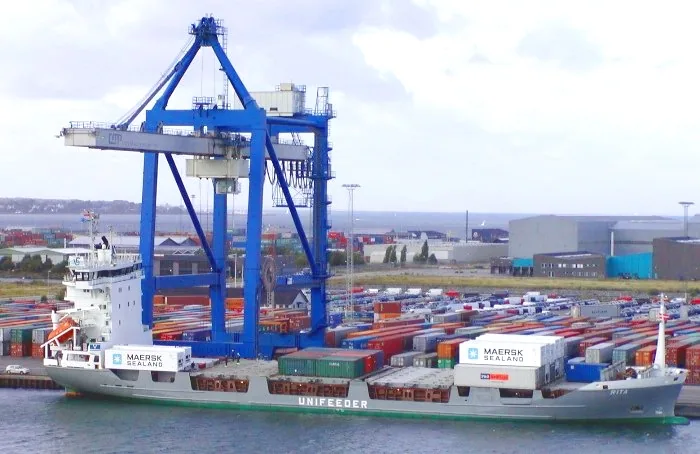
The post-World War II adoption of containerization on a broad international scale produced measurable structural changes in global commerce. By standardizing the physical unit of freight and mechanizing all handling, the system reduced transport costs substantially and shortened delivery times, both of which supported the rapid growth of international trade during the post-war decades.
Containerization also eliminated the manual sorting of most shipments and removed the operational need for dockfront warehouses, restructuring port layouts and workforces. The combined effect on cost, speed and reliability made containerization a major enabling factor in the expansion of global supply chains and is widely regarded as a central element of modern globalization.
Frequently asked questions
What is containerization in shipping?
Containerization is a system of intermodal freight transport in which goods are placed inside standardized containers and moved by container ship, rail flatcar and semi-trailer truck without being unpacked at transfer points. All handling is performed mechanically using cranes and specialized forklift trucks. Every container is numbered and tracked through computerized systems.
When and where did containerization originate?
Containerization traces its origins to late-eighteenth-century England, where coal was moved in wooden containers along canals. In 1766, James Brindley designed a ten-container box boat to carry coal from Worsley Delph quarry to Manchester via the Bridgewater Canal. Similar 'loose box' systems appeared at other canal sites from the late 1780s onward.
What was the first container ship?
The first purpose-built container ship was the Autocarrier, owned by Southern Railway UK, launched in February 1931. It was equipped with 21 slots for Southern Railway containers. This launch followed decades of container use on road and rail but marked the first vessel specifically designed for the purpose.
How did containerization change port operations?
Containerization eliminated the need for dockfront warehouses and manual sorting of individual shipments, which had previously required large dock workforces to handle break bulk cargo. Ports became less congested, shipping times shortened considerably, and losses from both damage and theft were reduced. The shift did, however, displace large numbers of dock workers who had formerly loaded and unloaded break bulk cargo by hand.
What materials are intermodal containers made from?
Containers can be constructed from steel, aluminium, fibre-reinforced polymer, or combinations of these materials. Containers made from weathering steel are specifically used where minimizing ongoing maintenance requirements is a priority. The choice of material affects weight, durability and resistance to corrosion.
Who was B. F. Fitch and what was his role in containerization?
Benjamin Franklin Fitch, born in Louisville, Kentucky in 1877, launched commercial use of 'demountable bodies' — transferable container units he had designed — in Cincinnati, Ohio, on 17 May 1917. By 1919 his system had grown to more than 200 containers operating across 21 railway stations and using 14 freight trucks. His work represents one of the earliest documented commercial container systems in the United States.
What role did the Great Depression play in the history of containerization?
The Wall Street Crash of 1929 and the resulting Great Depression disrupted conventional cargo transport in many countries, prompting renewed interest in railroads and cost-reducing systems such as containerization. The economic crisis created conditions in which operators were motivated to explore more efficient freight solutions. Some container initiatives of the period were nonetheless curtailed, as when the Interstate Commerce Commission disallowed flat-rate container pricing on the Chicago and Northwestern Railroad in 1931.
How was containerization connected to globalization?
After World War II, the widespread adoption of containerization dramatically lowered transport costs and shortened shipping times, directly supporting the expansion of international trade. By standardizing freight units and mechanizing port handling, the system made long-distance supply chains far more practical and reliable. Containerization is therefore recognized as a major structural factor in the globalization of commerce during the second half of the twentieth century.
Sources
- Wikipedia: Containerization — Factual basis of this entry